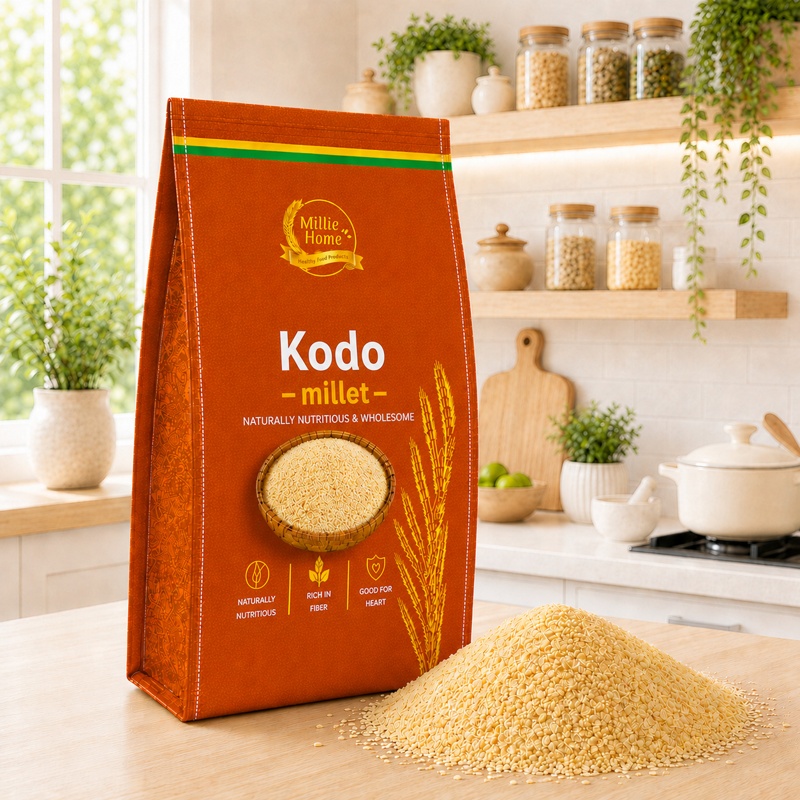
Kodo Millet (വരക്)
Kodo Millet (വരക്) is a nutrient-rich grain that provides carbohydrates, protein, and dietary fibre. It also contains essential B vitamins, including niacin and riboflavin. In addition, it supplies important minerals such as calcium, iron, and phosphorus. Furthermore, the grain naturally contains antioxidants and beneficial phenolic compounds, including vanillic acid, gallic acid, tannins, and ferulic acid, which enhance its nutritional value.
Nutrition Facts (Per 100g)
| Energy (kcal) |
346 |
| Carbohydrate (g) |
59.2 |
| Protein (g) |
10.6 |
| Fibre (g) |
10.2 |
| Fats (g) |
4.2 |
| Ash (g) |
2.95 |
| Minerals (g) |
4.4 |
| Calcium (mg) |
27 |
| Phosphorus (mg) |
188 |
| Riboflavin (mg) |
0.09 |
| Niacin (mg) |
2.0 |
| Iron (mg) |
0.5 |
Benefits
Kodo Millet (വരക്) is a nutritious, naturally gluten-free grain that provides dietary fibre, protein, and essential minerals. It supports healthy digestion and helps maintain steady blood sugar levels. In addition, its high fibre content promotes fullness, making it a suitable choice for weight management. The grain also contributes to heart health and contains natural antioxidants that help protect the body from oxidative stress.
With its impressive nutritional profile and long history of cultivation, Kodo Millet remains an excellent choice for a balanced diet. Moreover, its drought-resistant nature makes it an environmentally sustainable crop, especially in water-scarce regions. Although research on its potential health benefits continues, adding Kodo Millet to a healthy eating plan can support overall wellness when consumed as part of a balanced lifestyle.